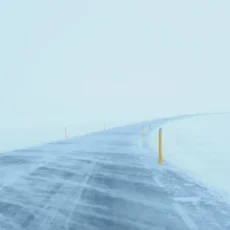
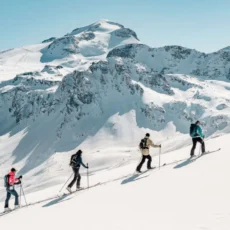
A whiteout weather is one of the most challenging and disorienting conditions a skier or mountaineer can encounter. It occurs when visibility is severely reduced due to snow, fog, or diffuse light reflecting off snow-covered terrain. In a whiteout, the horizon disappears, shadows vanish, and the landscape can appear completely uniform, making it nearly impossible to distinguish slopes, cliffs, or obstacles. For anyone venturing into the mountains, understanding what a whiteout is and how it forms is the first step toward safe navigation.
Table of Contents
Whiteouts are particularly common in high-altitude alpine regions during winter or in areas with flat light conditions. While they can occur suddenly, even experienced skiers and mountaineers may be caught off guard if proper precautions are not taken. Recognizing early signs, such as diffuse light, loss of shadow contrast, and cloud cover, can help prevent dangerous situations.
Essential Tips for Staying Safe
- Recognize Early Signs
- Carry Proper Gear
- Follow Navigation Techniques
- Stay Close to Your Group
- Stay Calm and Focused
- Use Experienced Guides
- Plan Ahead
Common Causes
Several factors contribute to whiteout conditions. Heavy snowfall is an obvious cause, but light reflecting off freshly fallen snow can also create disorientation. Fog and low clouds often combine with snow-covered terrain to create a uniform white landscape. Even on sunny days, snow-covered ground can reflect sunlight, flattening the visual field and making depth perception difficult.
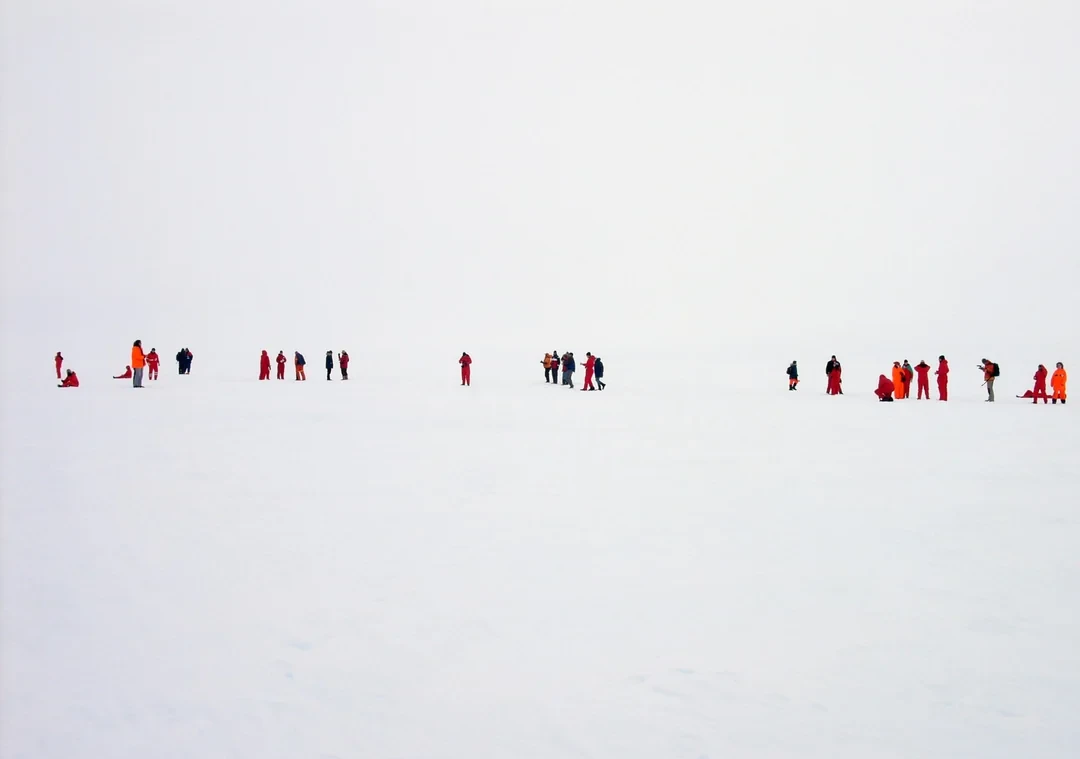
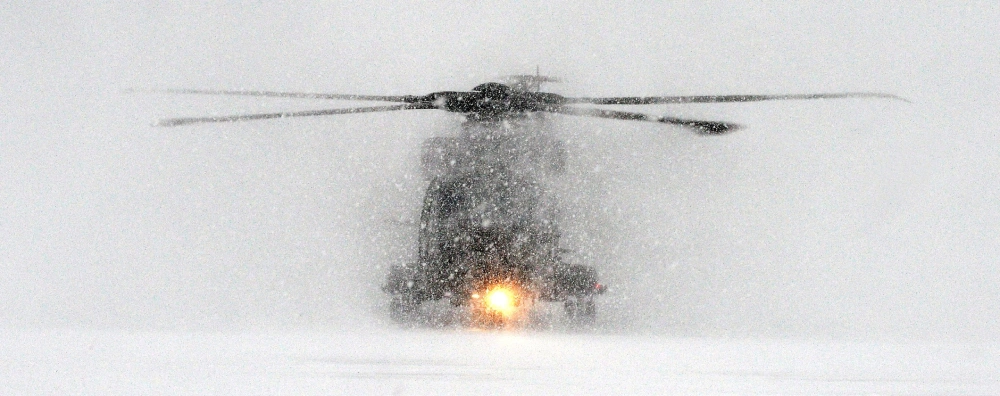
Wind-driven snow, sometimes called blowing snow or ground blizzard, is another frequent contributor. This can reduce visibility to mere meters and make slopes extremely challenging to navigate. Rapid weather changes in mountainous areas make whiteouts unpredictable, which is why preparation is key.
How Whiteouts Impact Direction and Safety
Whiteouts can severely impair a skier or mountaineer’s ability to judge distance, slope angle, and terrain features. Without clear visual references, even a simple descent can become risky. Trails, ridges, and crevasses may be hidden, and what appears flat may actually be steep. This disorientation increases the likelihood of accidents such as falls, avalanches, or straying off the intended route.
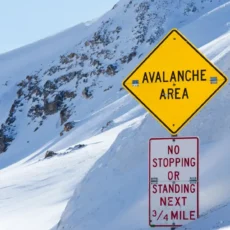
For a deeper look at Avalanche Risks in Ski, check out this!
Additionally, in whiteout conditions, natural orientation cues like shadows, horizon lines, and landmarks are obscured. Many individuals experience a psychological effect known as “spatial disorientation,” where the brain struggles to interpret the uniform visual input. Panic and hasty decisions are common, which is why calmness and training are essential.
Essential Gear for Navigating
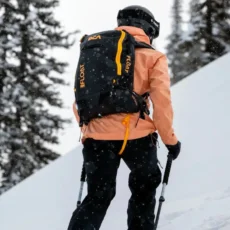
Proper equipment is critical for safely navigating whiteouts. Mountaineers and backcountry skiers should always carry:
- Compass and Map: GPS devices are helpful, but electronics can fail in cold conditions. Traditional navigation tools remain reliable.
- Avalanche Transceiver: In areas prone to avalanches, this is a lifesaving necessity.
- High-Contrast Goggles: Yellow or orange lenses enhance contrast in flat-light or low-visibility conditions.
- Poles and Skins: For ski touring, poles provide stability while skins allow controlled ascents on snow-covered slopes.
- Whistle and Signaling Devices: Useful for alerting companions if separated.
Step-by-Step Navigation Tips During a Whiteout
Even with the right gear, technique matters. Here are practical steps:
- Stay Close to Your Group: Avoid wandering alone. Maintain visual and verbal contact.
- Follow a Compass Bearing: Determine your intended direction before entering zero-visibility conditions and stick to it.
- Mark Key Points: Use flags, poles, or GPS waypoints to track your route.
- Move Slowly and Deliberately: Avoid rushing; check terrain continuously.
- Pause if Needed: If visibility drops too low, it may be safer to stop and wait for conditions to improve.
Following these guidelines minimizes risk and helps maintain situational awareness.
Psychological Challenges: Staying Calm
Whiteouts are as much a mental challenge as a physical one. Stress and fear can amplify the perception of danger, leading to mistakes. Experienced mountaineers emphasize the importance of mental preparation:
- Practice Controlled Breathing: Helps reduce panic.
- Maintain Group Communication: Verbal cues are crucial for coordination.
- Visualize the Terrain: Anticipate slopes and obstacles even when they are hidden.
Mental resilience can make the difference between a safe, controlled descent and a potentially hazardous situation.
The Role of Guides and Companions
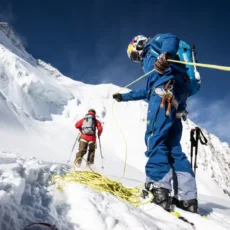
Traveling with an experienced guide is invaluable during whiteouts. IFMGA-certified guides are trained to manage low-visibility situations, identify safe routes, and make split-second decisions. They can:
- Lead the group using safe navigation techniques.
- Adjust routes to avoid avalanche-prone areas.
- Provide constant support and guidance to reduce stress and confusion.
For less experienced skiers, having a guide not only improves safety but also enhances the overall experience.
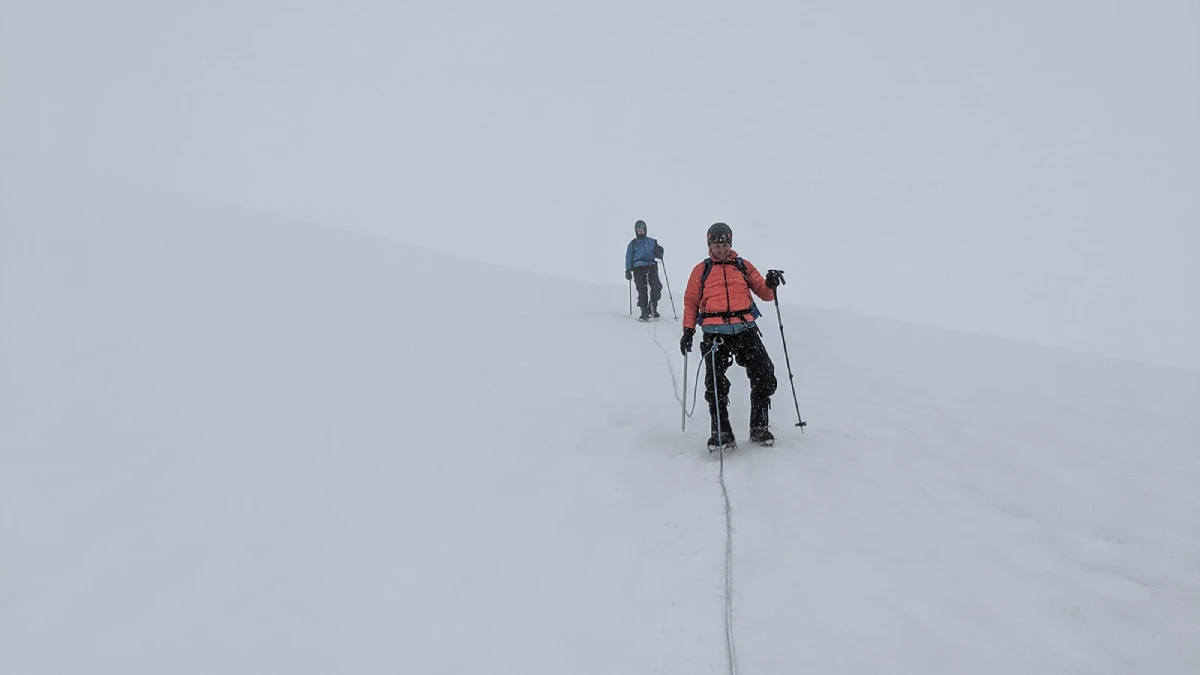
Planning Ahead
Preparation is key to avoiding disorientation. Before heading into areas prone to whiteouts:
- Research Weather Conditions: Identify times when visibility may be poor.
- Pre-Plan Routes: Know the terrain, key landmarks, and emergency exit points.
- Inform Others: Always leave your itinerary with a trusted contact.
Even the most experienced skiers benefit from strategic planning to minimize the risk of zero-visibility condition encounters.
Common Mistakes
Many accidents in whiteouts are due to avoidable errors:
- Overestimating Visibility: Assuming you can see more than you actually can.
- Relying Solely on GPS: Technology can fail in extreme cold or lose signal.
- Panicking: Hastily changing direction or speed.
- Separating from the Group: Losing sight of companions drastically increases risk.
Recognizing these mistakes and actively avoiding them is essential for safety.
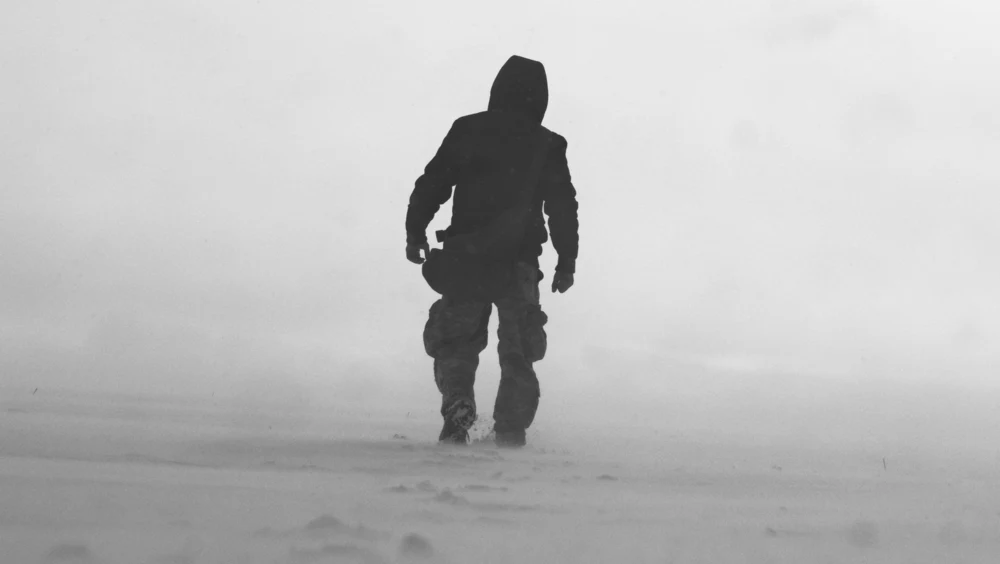
Real Experiences in Whiteout Conditions
Mountaineers and ski tourers often recount white-out experiences as transformative. Lessons commonly learned include:
- Patience Pays Off: Waiting for conditions to improve is safer than pushing on blindly.
- Trust in Training: Skills learned in preparation drills translate directly to real situations.
- The Value of Teamwork: Effective communication and support among companions can prevent accidents.
By learning from these experiences, adventurers can face zero-visibility conditions with respect rather than fear.
Training and Preparation
Proactive training can significantly reduce risks:
- Navigation Drills: Practice compass and map use in low-visibility conditions.
- Simulated Whiteouts: Use goggles or environments that mimic flat-light scenarios.
- Avalanche and Safety Courses: Understanding terrain and snow behavior is critical.
Building these skills ahead of time ensures confidence and competence when facing zero-visibility conditions.
Emergency Protocols and Rescue Considerations
Even with preparation, emergencies can happen. Key considerations include:
- Emergency Shelters: Identify locations to wait safely during sudden white-outs.
- Communication Devices: Satellite phones or radios can be lifesaving.
- Rescue Signals: Know standard visual and auditory distress signals.
Following established protocols dramatically improves the likelihood of a safe outcome in severe conditions.
Key Takeaways for Safe Whiteout Navigation
Whiteout conditions are an inherent risk of backcountry skiing and mountaineering, but with preparation, training, and the right guidance, they can be safely navigated. Understanding the phenomenon, equipping yourself properly, and practicing mental and technical skills ensures that skiers and climbers can enjoy the mountains without succumbing to disorientation or panic. Travel with experienced guides, plan carefully, and respect the conditions, and even low-visibility conditions can turn into a memorable adventure rather than a danger.
source > WikiPedia